Overview
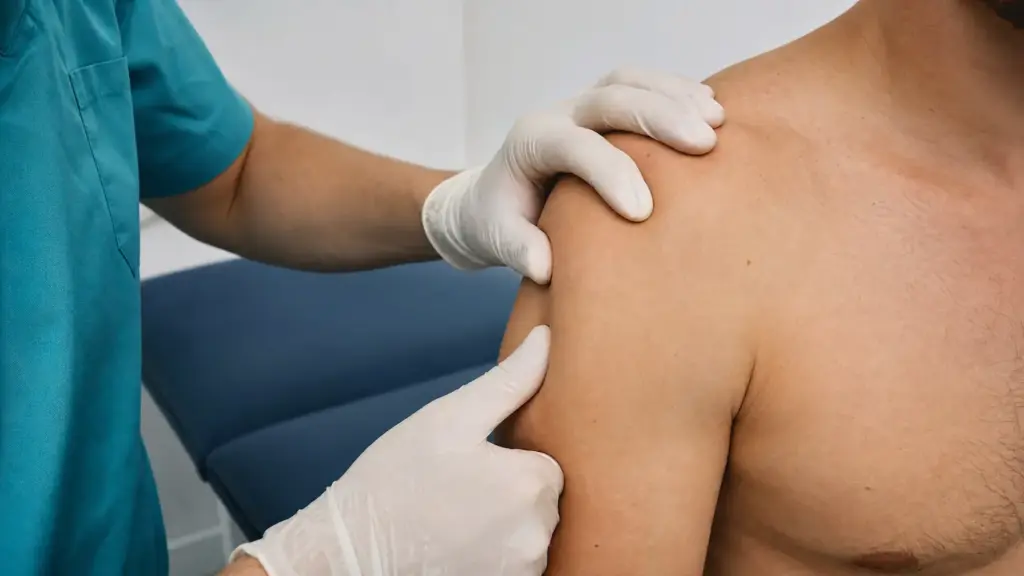
Shoulder dislocation occurs when the ball of the humerus slides out of the socket, usually anteriorly (forward) following trauma. This is an orthopaedic emergency requiring urgent reduction. Recurrent dislocations are common after first-time injuries. Arthroscopic stabilisation prevents future dislocations.
Common symptoms
- Severe sharp pain in the shoulder
- Visible deformity with arm in abnormal position
- Inability to move the shoulder
- Severe swelling and bruising developing rapidly
The procedure
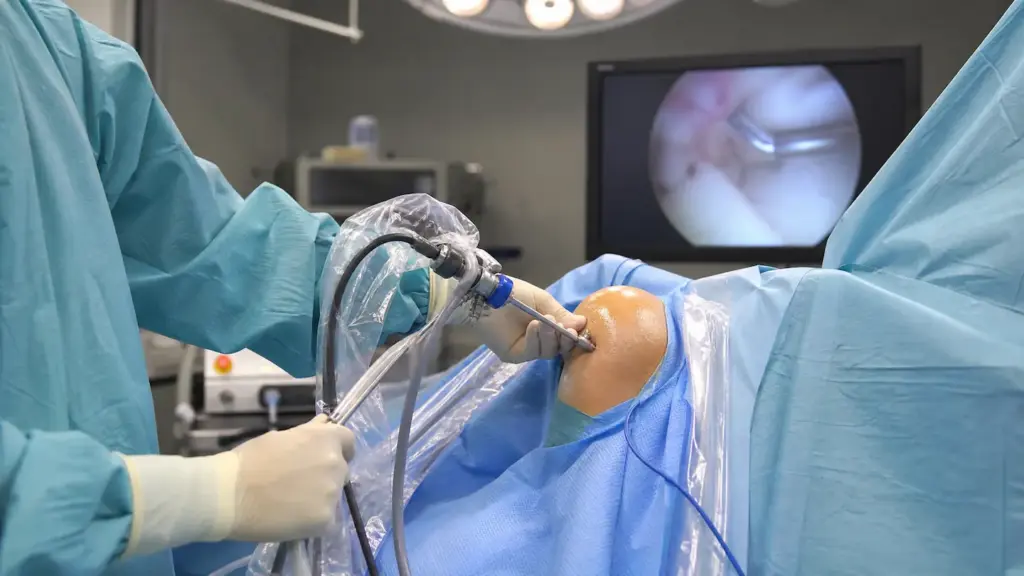
Initial emergency reduction restores shoulder position usually done in A&E or theatre with analgesia. After reduction, imaging confirms proper positioning and identifies associated injuries (fractures, labral tears). For recurrent dislocations, Mr Mitra performs arthroscopic stabilisation using sutures to reattach the torn labrum and tighten joint capsule.
Recovery
After initial reduction and immobilisation, rehabilitation focuses on regaining strength and stability. Most first-time dislocations treated conservatively recover within 6-12 weeks. Arthroscopic stabilisation requires 3-4 months recovery. Compliance with physiotherapy is critical to prevent recurrent dislocations.
Quick facts
Emergency care
Required (reduction in A&E)
First reduction
Urgent procedures
Recurrence risk
50%+ in young patients
Prevention
Arthroscopic stabilisation
Covered by all major UK insurers. No GP referral needed for self-pay.
WHAT TO EXPECT
Your recovery pathway
From your first appointment to full recovery, here’s exactly what to expect — so you know every step before you even book.
01
You get seen
Initial consultation and examination with Mr Mitra to confirm your diagnosis.
MORE SPECIALISMS
Explore other treatments
Shoulder Replacement
Rotator Cuff Tear