
Overview
Carpal tunnel syndrome (CTS) occurs when the median nerve is compressed as it passes through the narrow carpal tunnel in the wrist. Symptoms develop gradually and worsen at night or with activities. Most cases respond to conservative treatment including splinting and activity modification. Persistent symptoms may require surgical decompression.
Common symptoms
- Numbness and tingling in thumb, index and middle fingers
- Pain in the wrist, hand or forearm
- Weakness in grip strength
- Symptoms worse at night or after repetitive hand use
The procedure
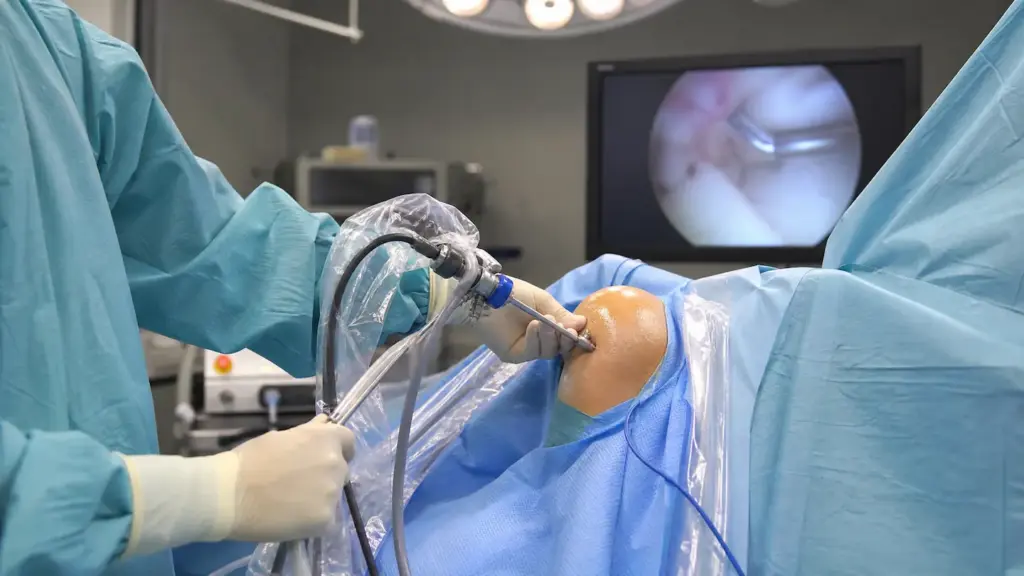
Initial treatment focuses on activity modification, wrist splinting (especially at night) and anti-inflammatory medications. If conservative measures fail after 6-12 months, endoscopic or open carpal tunnel release surgery may be recommended. The procedure releases the tight ligament compressing the nerve, restoring nerve function.
Recovery
Conservative treatment recovery occurs gradually over 6-12 weeks as symptoms improve with splinting and activity modification. Surgical patients typically return home same day (endoscopic) or after overnight stay (open). Early gentle hand mobility exercises prevent stiffness. Most patients achieve symptom relief within 4-6 weeks after surgery.
Quick facts
Assessment time
30-45 minutes
Diagnosis tools
Symptoms, nerve tests (EMG)
Conservative recovery
6-12 weeks
Surgery success rate
90-95%
Covered by all major UK insurers. No GP referral needed for self-pay.
WHAT TO EXPECT
Your recovery pathway
From your first appointment to full recovery, here’s exactly what to expect — so you know every step before you even book.
01
You get seen
Initial consultation and examination with Mr Mitra to confirm your diagnosis.
MORE SPECIALISMS
Explore other treatments

Shoulder Replacement

Rotator Cuff Tear