Overview
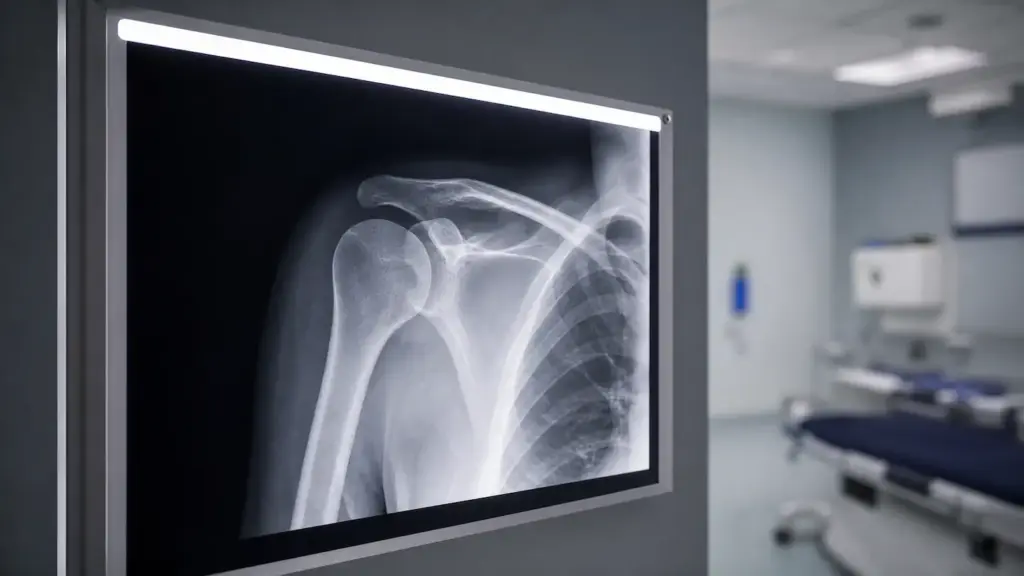
Shoulder arthritis (osteoarthritis) develops when cartilage in the shoulder joint wears away, causing pain, stiffness and reduced function. It progresses gradually over years. Early stages respond to conservative treatment; advanced cases may require shoulder replacement. Mr Mitra guides treatment based on severity and your goals.
Common symptoms
- Pain that worsens with activity and improves with rest
- Morning stiffness that gradually improves
- Reduced range of motion and difficulty reaching overhead
- Grinding sensation or clicking in the shoulder
The procedure
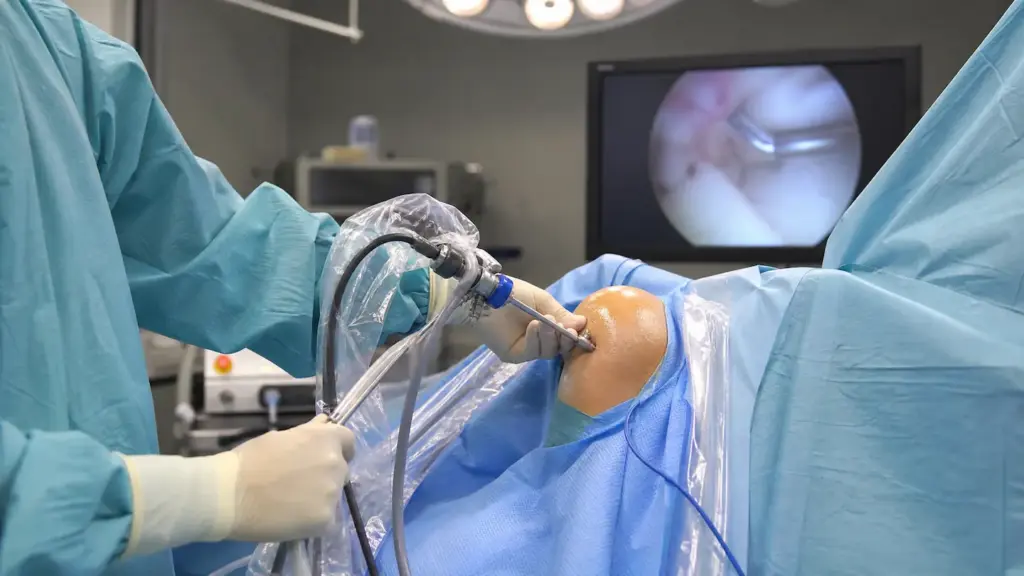
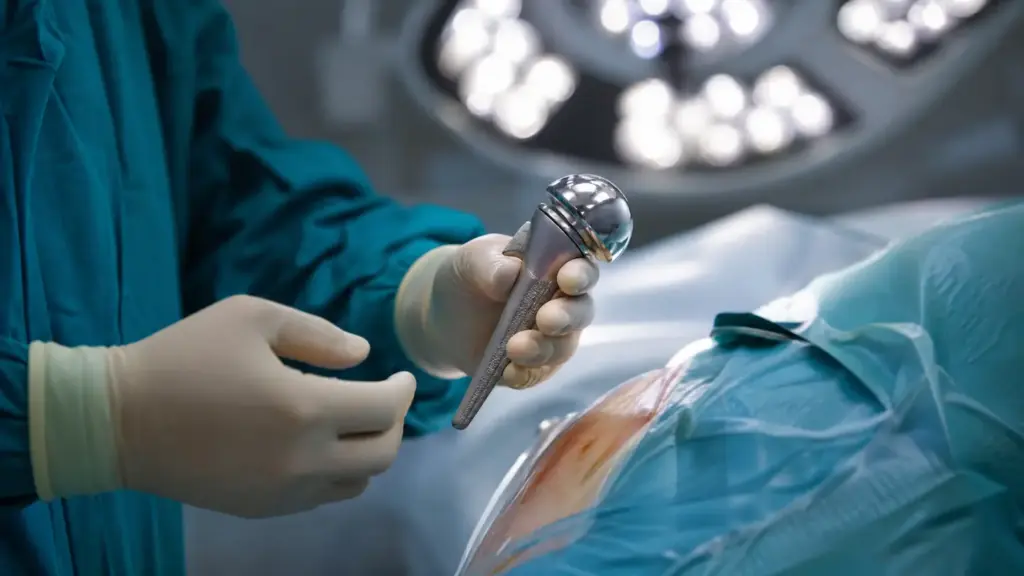
Early arthritis is managed with physiotherapy, anti-inflammatory medications and activity modification. As arthritis advances, steroid injections or arthroscopic procedures may help. For severe arthritis, shoulder replacement provides excellent results. Mr Mitra individualises treatment based on your condition severity and preferences.
Recovery
Conservative treatment recovery involves gradual improvement over weeks to months. Surgical procedures vary in recovery time — arthroscopy requires 6-12 weeks, replacement requires 3-6 months. Physical therapy is essential for all treatment approaches. Long-term outcome depends on compliance with exercise programmes.
Quick facts
Assessment time
30-45 minutes
Treatment options
Conservative to surgical
Progression timeline
Years (typically)
Success rate
80-95% (varies by treatment)
Covered by all major UK insurers. No GP referral needed for self-pay.
WHAT TO EXPECT
Your recovery pathway
From your first appointment to full recovery, here’s exactly what to expect — so you know every step before you even book.
01
You get seen
Initial consultation and examination with Mr Mitra to confirm your diagnosis.
MORE SPECIALISMS
Explore other treatments
Shoulder Replacement
Rotator Cuff Tear