
Overview
ACJ (acromioclavicular joint) pain can result from arthritis, ligament injury, distal clavicle inflammation or labral pathology. Pain typically worsens with overhead activities and arm crossing the body. Accurate diagnosis is essential for effective treatment. Most cases respond to conservative management with physiotherapy and anti-inflammatory treatment.
Common symptoms
- Localised pain over top of shoulder near collarbone
- Pain with overhead reaching or arm crossing
- Clicking or catching sensation in ACJ
- Stiffness limiting shoulder movement
The procedure
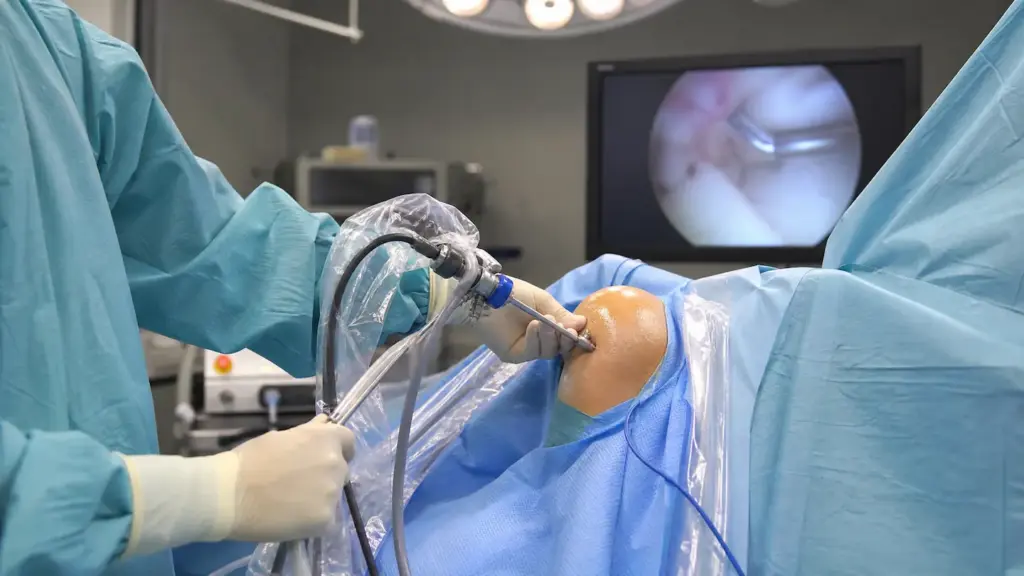
Mr Mitra performs thorough clinical examination using specific tests for ACJ pathology combined with imaging (X-rays, ultrasound or MRI). Treatment is individualised based on diagnosis and symptoms. Options include physiotherapy, activity modification, steroid injections or surgical intervention (arthroscopy or excision).
Recovery
Most ACJ pain improves within 6-12 weeks with conservative treatment including rest and physiotherapy. Steroid injection results often occur within 2-3 weeks. Surgical cases (if needed) require 4-8 weeks recovery. Regular follow-up ensures appropriate treatment progression and optimal outcomes.
Quick facts
Assessment time
30-45 minutes
Diagnosis tools
Physical exam, imaging, ACJ stress tests
Conservative success rate
80-90%
Injection success rate
70-80%
Covered by all major UK insurers. No GP referral needed for self-pay.
WHAT TO EXPECT
Your recovery pathway
From your first appointment to full recovery, here’s exactly what to expect — so you know every step before you even book.
01
You get seen
Initial consultation and examination with Mr Mitra to confirm your diagnosis.
MORE SPECIALISMS
Explore other treatments
Shoulder Replacement
Rotator Cuff Tear