Overview
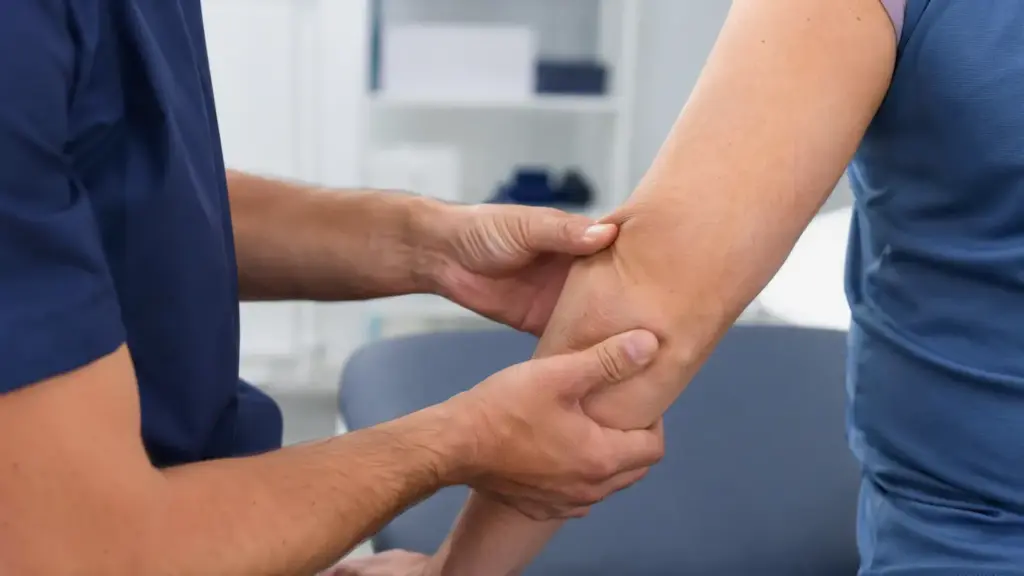
Tennis elbow (lateral epicondylitis) is inflammation of tendons on the outside of the elbow caused by overuse or repetitive gripping. Despite the name, it affects far more office workers and manual labourers than tennis players. Pain develops gradually and worsens with gripping or lifting activities. Most cases respond to conservative treatment.
Common symptoms
- Pain on the outside of the elbow
- Weakness in grip strength
- Pain with gripping, lifting or reaching activities
- Discomfort that may radiate down the forearm
The procedure
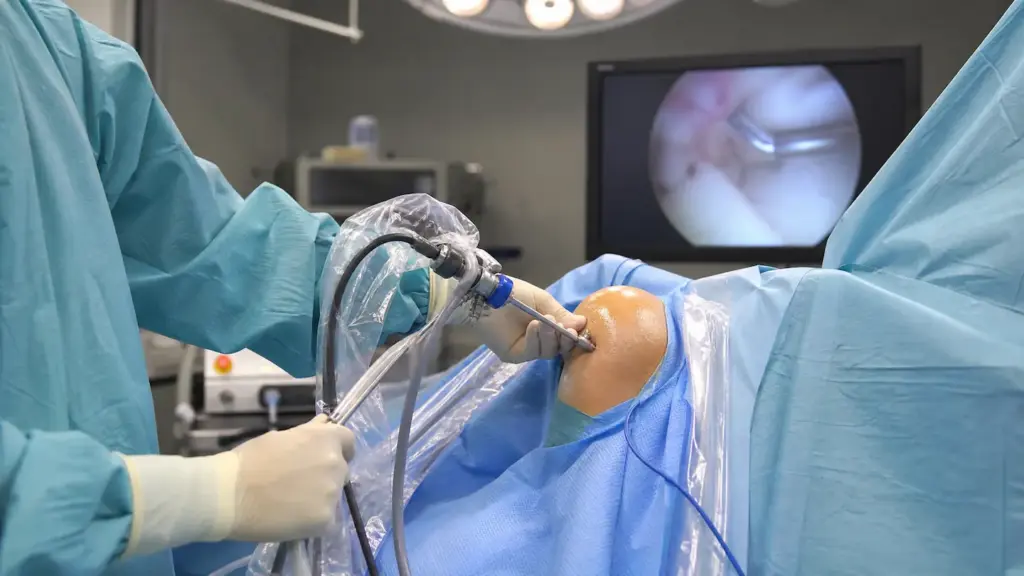
Most tennis elbow responds to conservative treatment including rest, ice, physiotherapy and anti-inflammatory medications. For resistant cases (6-12 months of symptoms), Mr Mitra performs minimally invasive arthroscopic debridement or open surgical repair. The procedure removes damaged tendon tissue and promotes healing.
Recovery
Conservative treatment recovery involves gradual return to activity over 6-12 weeks with physiotherapy. Surgical cases require 1-2 weeks off work (sedentary jobs) to 4-6 weeks (physical jobs). Physiotherapy is critical for both approaches. Most patients achieve full pain relief and function by 3-4 months.
Quick facts
Assessment time
20-30 minutes
Treatment
Conservative (90%), Surgical (10%)
Conservative recovery
6-12 weeks
Surgery recovery
8-12 weeks
Covered by all major UK insurers. No GP referral needed for self-pay.
WHAT TO EXPECT
Your recovery pathway
From your first appointment to full recovery, here’s exactly what to expect — so you know every step before you even book.
01
You get seen
Initial consultation and examination with Mr Mitra to confirm your diagnosis.
MORE SPECIALISMS
Explore other treatments
Shoulder Replacement
Rotator Cuff Tear