Overview
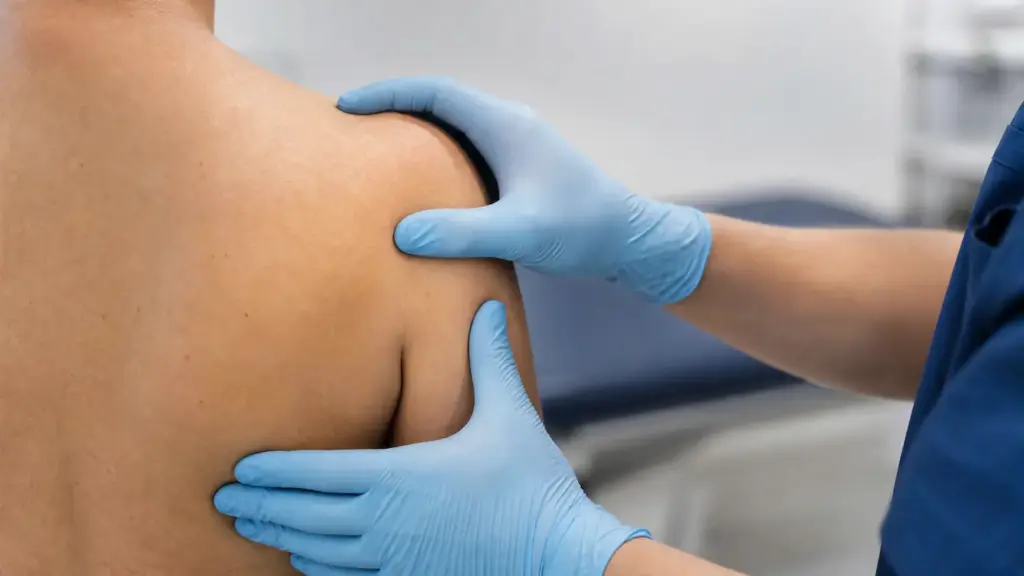
Shoulder fractures involve breaks to the humerus (upper arm bone), scapula (shoulder blade) or clavicle (collarbone). Fracture severity ranges from simple stable breaks to complex multi-fragment injuries. Treatment depends on fracture type, location and displacement. Many heal with conservative care; complex fractures require surgery.
Common symptoms
- Visible deformity or swelling
- Weakness when rotating the shoulder
- Inability to move the arm
- Bruising developing within hours of injury
The procedure
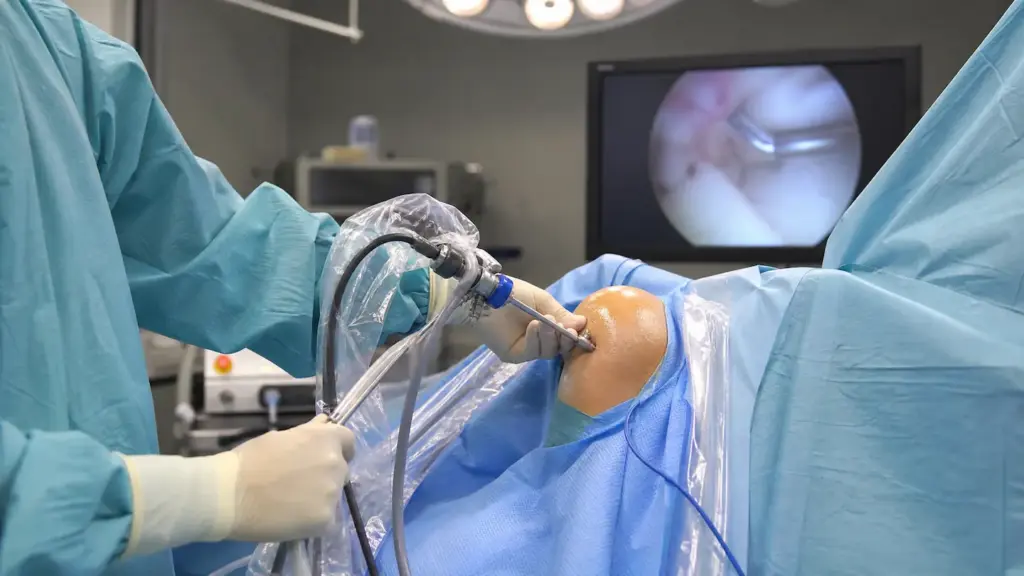
Mr Mitra assesses fracture type with imaging and develops individualised treatment. Simple fractures often heal with immobilisation (sling or cast) and physiotherapy. Complex fractures require surgery — Mr Mitra uses plates, screws or intramedullary devices to stabilise bone fragments. Surgical stabilisation allows earlier rehabilitation and better outcomes.
Recovery
Conservative treatment requires 6-12 weeks immobilisation followed by physiotherapy. Surgical cases typically involve hospital stay of 1-2 nights. Rehabilitation is critical for restoring shoulder function. Most patients achieve good healing within 3-6 months with dedicated therapy and compliance.
Quick facts
Assessment time
Urgent (emergency department)
Treatment type
Varies (immobilisation to surgery)
Recovery time
6-12 weeks (conservative), 3-6 months (surgical)
Healing rate
95%+ with proper treatment
Covered by all major UK insurers. No GP referral needed for self-pay.
WHAT TO EXPECT
Your recovery pathway
From your first appointment to full recovery, here’s exactly what to expect — so you know every step before you even book.
01
You get seen
Initial consultation and examination with Mr Mitra to confirm your diagnosis.
MORE SPECIALISMS
Explore other treatments
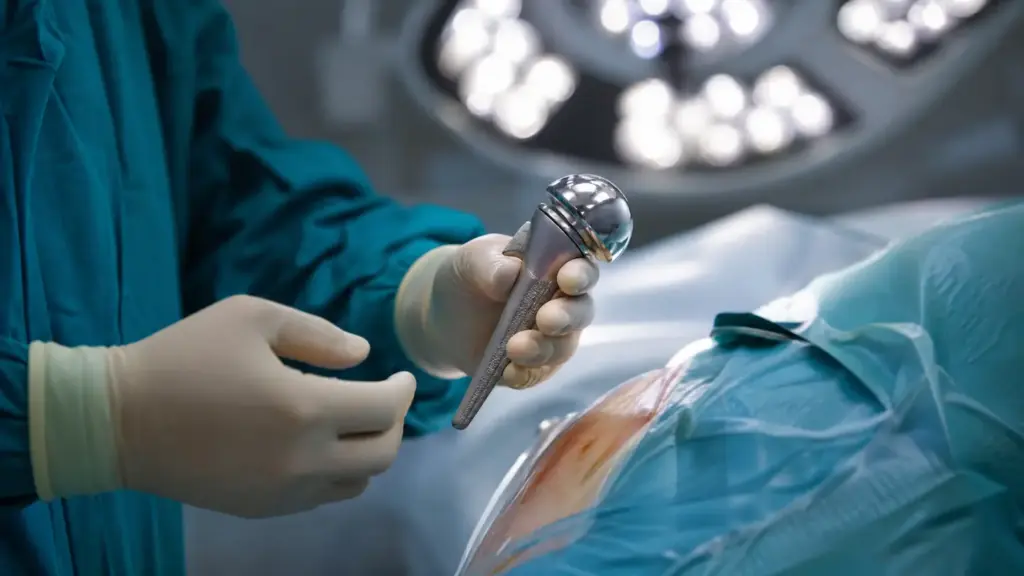
Shoulder Replacement
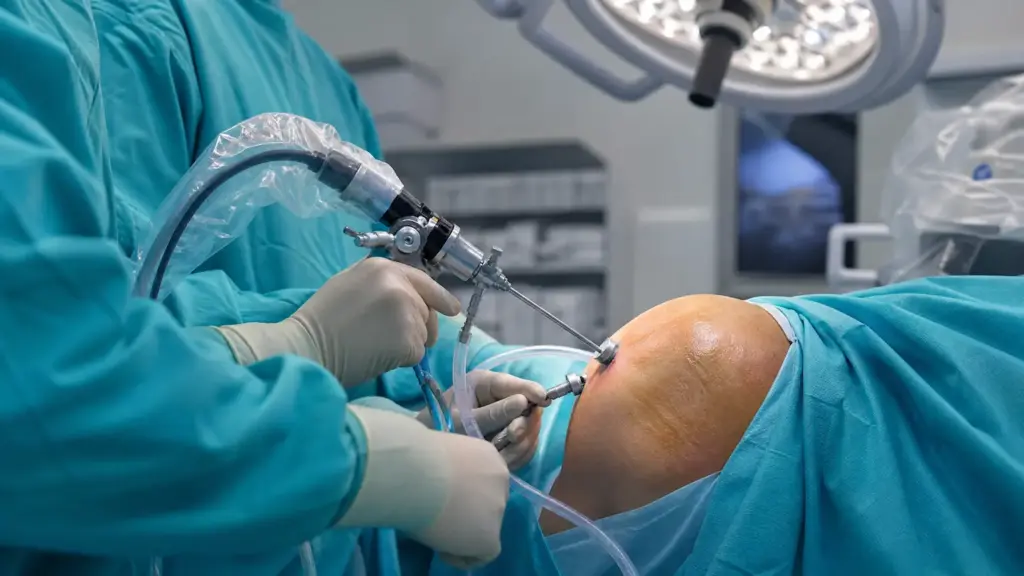
Rotator Cuff Tear